PE-polyethylene:
English name of Polyethylene: Polyethylene abbreviation PE, molecular formula is (C2H4) N, Polyethylene (PE) ranks first in the worlds total plastic production, is also the most commonly used plastic polymer in the world. Polyethylene PE is mainly divided into ultra-high molecular weight polyethylene (UHMW PE), high density polyethylene (HDPE), medium density polyethylene (MOPE), linear low density polyethylene (LLDPE), low density polyethylene (LDPE), ultra-low density polyethylene (VLDPE), modified polyethylene (CPE & AMP; PEX), and only a small percentage of the porous plastics are extracted from the seven polyethylene groups.
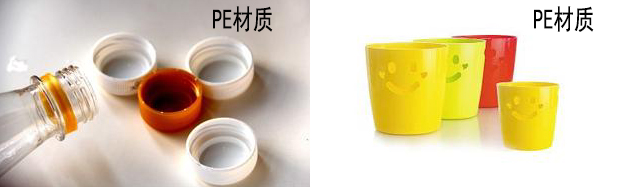
Common products of polyethylene:
Polyethylene PE because it is not only stable chemical properties, low gas permeability, small water absorption, high dielectric performance, but also has the advantages of non-toxic, tasteless, easy processing, is widely used in electrical, chemical, food, machinery manufacturing, as well as medicine and health, household daily use, agriculture and other aspects.
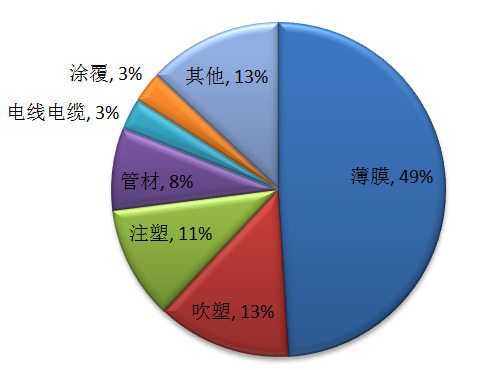
Polyethylene world consumption structure chart:
English name of Polyethylene: Polyethylene abbreviation PE. Polyethylene world consumption structure chart, the other 13% contains rotoplastic, brushed, porous plastics, etc., porous plastics in the other only occupy. < 1%
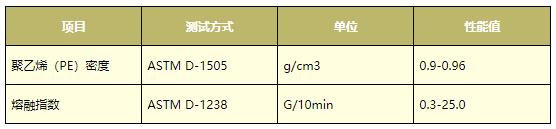
Physical properties of polyethylene:
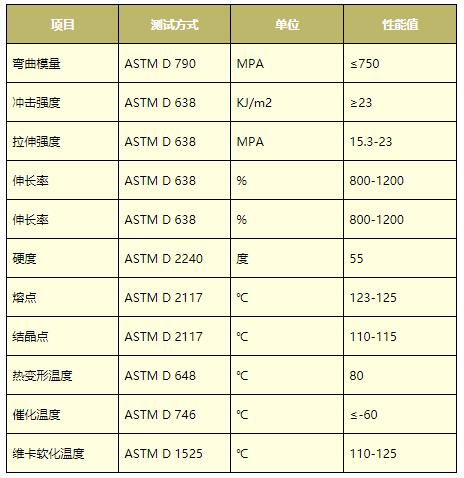
Chemical properties of polyethylene:
Advantages of polyethylene:
1, with strong, tough, light weight.
2, acid and alkali resistance and a variety of organic solvents.
3, It has excellent low temperature resistance (the lowest operating temperature can reach -100℃)< BR />
4, PE is composed of carbon and hydrogen, non-toxic is one of the best varieties of sanitary plastics.
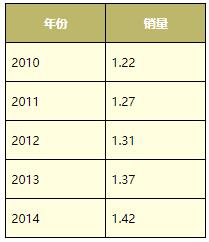
Global polyethylene consumption, 2010-2014 (tonnes)



 Materials
 Contact us
 Address: Shahedian Town, Zhao County, Shijiazhuang City, Hebei Province
 Telephone: 15130182882
 Email address: xc@sjz-raiden.cn